Men’s Fall Layering Outfits: A Practical Smart-Casual Guide
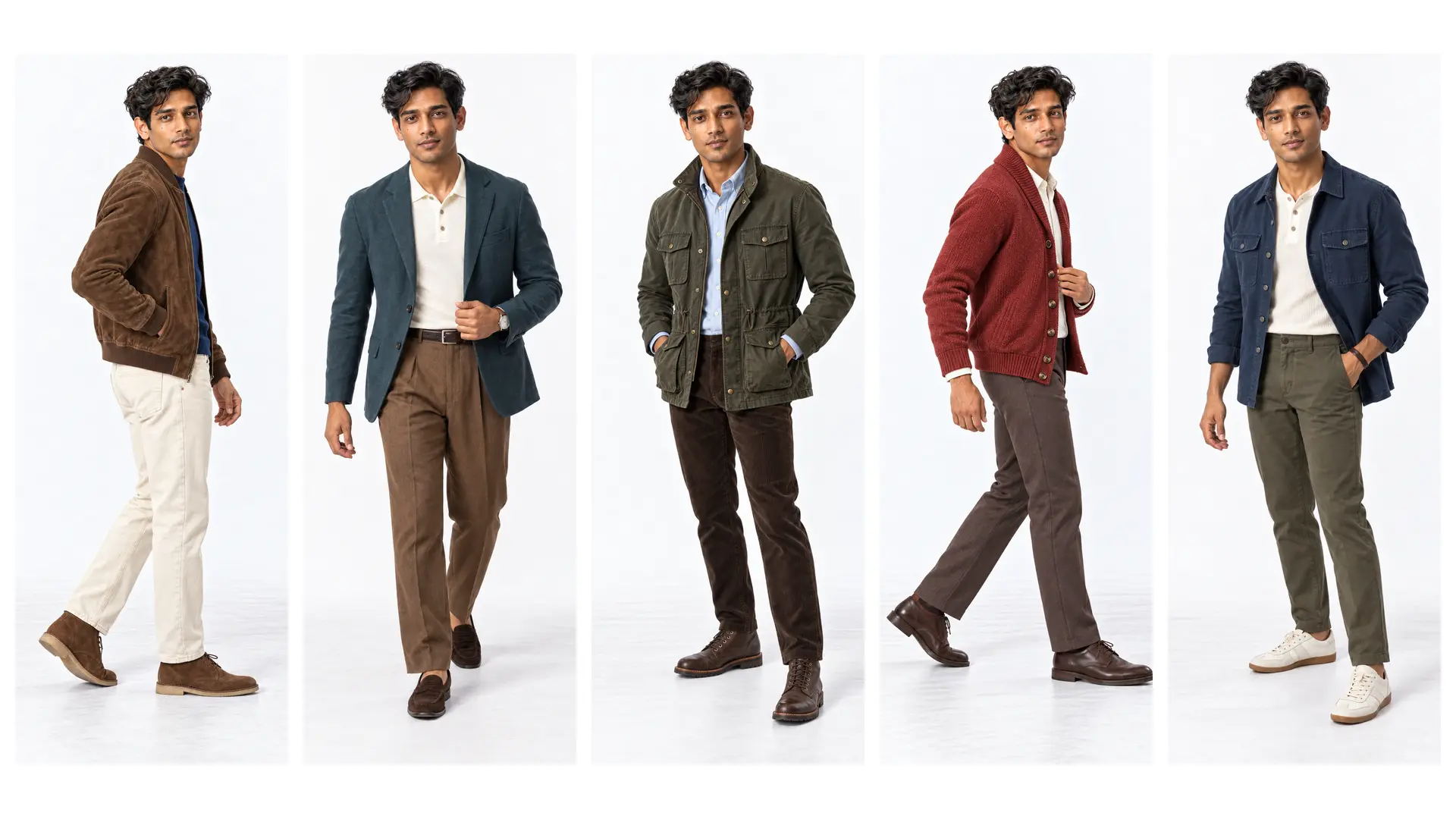
Five men’s fall layering outfits built around tailoring, an overshirt, field jacket, suede bomber and cardigan—with practical styling advice.
Men’s Fall Layering Outfits: A Practical Smart-Casual Guide
Good fall style is less about wearing more clothes and more about choosing layers that work together. This guide shows you how to build men’s fall layering outfits with five distinct combinations: relaxed tailoring, an overshirt, a field jacket, a suede bomber and a shawl-collar cardigan. You will learn why each outfit works, how to recreate it without relying on specific brands, and how to adapt it for work, weekends and changing temperatures.
How Men’s Fall Layering Outfits Should Work
A useful layered outfit has three jobs. The base layer should feel comfortable indoors, the middle layer should add warmth without restricting movement, and the outer layer should provide structure or weather protection. Not every outfit needs all three at once. On mild days, a knit polo under a blazer may be enough; in cooler weather, a shirt, knit and jacket create a more flexible system.
Keep the silhouette balanced. A relaxed jacket works best with trousers that have enough room through the thigh, while a shorter bomber can sharpen straight-leg jeans. Layering becomes bulky when every piece is heavy or oversized. Instead, vary the fabric weight: a breathable cotton base, a fine knit or textured mid-layer, and one substantial outer layer.
Colour matters too. Fall outfits do not need to be a uniform of black and grey. Muted teal, washed indigo, moss, tobacco, brick and ecru are easy to combine because their saturation is restrained. Use one stronger colour as the focal point, then support it with cream, brown, olive or soft blue.
Five Men’s Fall Layering Outfits to Recreate
1. Relaxed Teal Tailoring With a Knit Polo
Gallery image: mens-teal-blazer-smart-casual-layering.webp
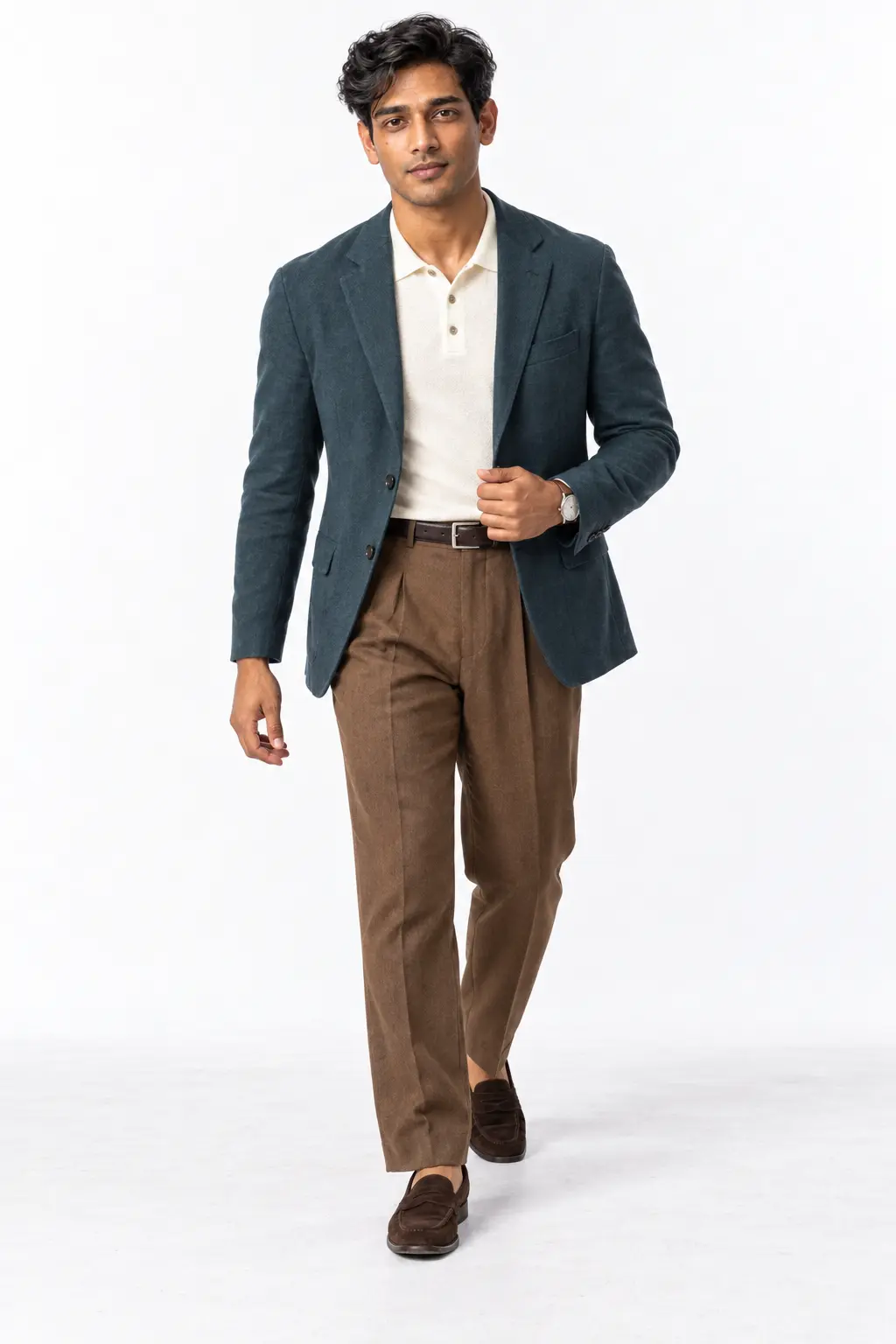
An unstructured muted-teal blazer, cream knit polo and tobacco pleated trousers create a polished outfit without the stiffness of a matching suit. The polo’s open neckline softens the tailoring, while the trousers add warmth through both colour and wool texture. Dark-brown suede loafers keep the outfit refined but approachable.
This combination works for a creative office, dinner, a gallery opening or any smart-casual event where a conventional suit would feel too formal. Recreate it with a softly constructed blazer, a fine-gauge polo that sits flat under the lapels, and trousers with a clean drape. The blazer sleeve should allow the polo cuff to remain unobtrusive, and the trouser hem should meet the loafer with little or no break.
For colder days, add a lightweight scarf or a thin merino vest beneath the blazer. In warmer climates, swap wool trousers for cotton twill while keeping the same tobacco tone. A simple watch is enough; avoid adding a heavy belt, large bag and statement jewellery at the same time.
2. Washed Indigo Overshirt With Olive Chinos
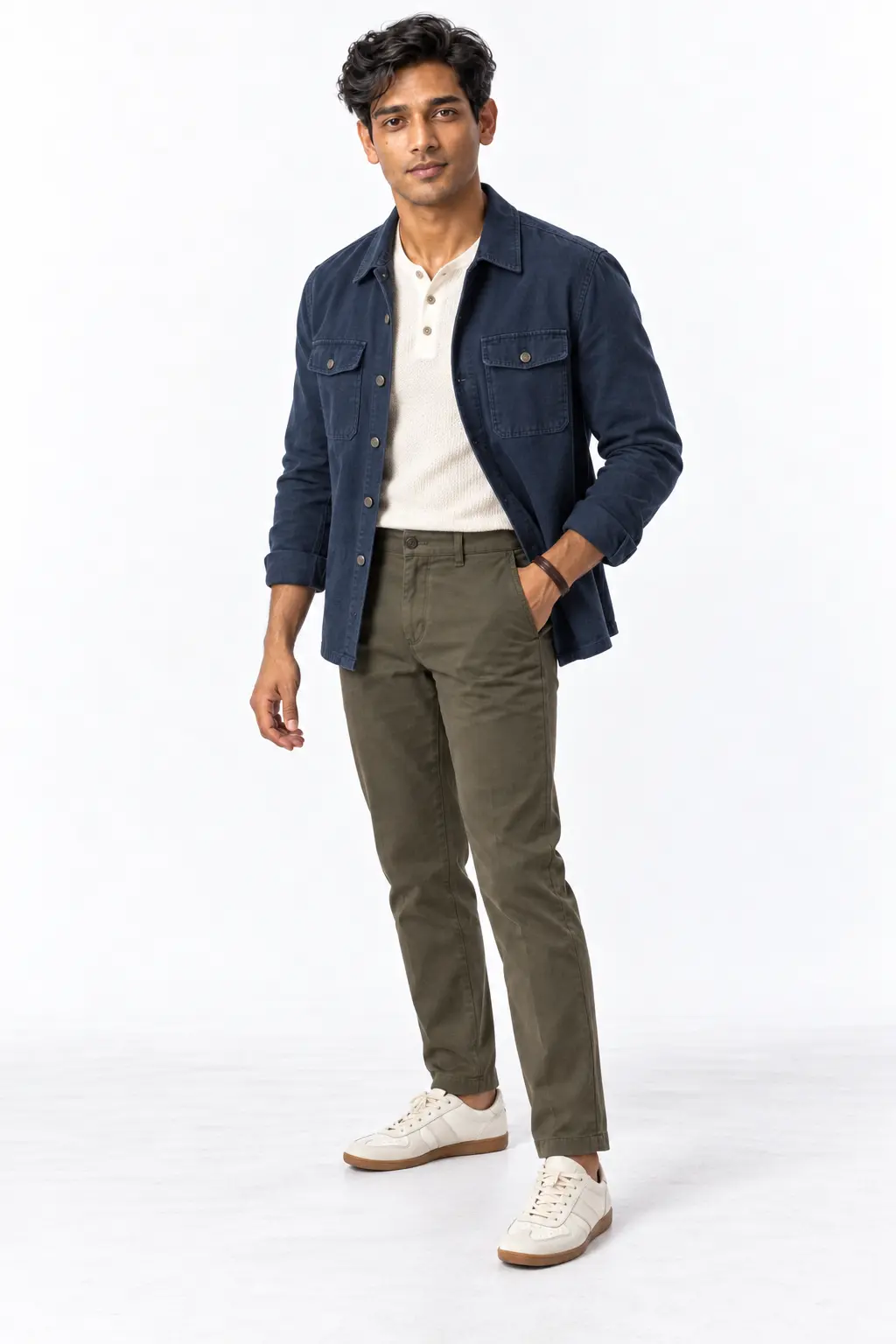
Gallery image: mens-indigo-overshirt-fall-outfit.webp
The overshirt is one of the most practical pieces for transitional weather because it can function as a shirt indoors and a light jacket outside. Here, washed indigo cotton twill sits over an ecru waffle-knit henley, with muted-olive tapered chinos and off-white gum-sole sneakers. The palette is casual, but the controlled fit prevents it from looking careless.
Choose an overshirt with enough room for a textured base layer, but make sure the shoulder seam still sits close to the natural shoulder. The henley creates depth at the neckline without introducing a collar clash. Keep the chinos clean through the leg and let the sneakers provide a lighter visual finish.
Wear this look for travel, errands, an informal lunch or a relaxed workplace. If the temperature drops, place a thin crewneck knit between the henley and overshirt. For a wetter climate, replace the overshirt with a water-resistant version and choose leather sneakers or casual boots. Rolling the sleeves once can work indoors, but avoid bulky stacks of fabric at the forearm.
3. Moss Field Jacket With Corduroy Trousers
Gallery image: mens-moss-field-jacket-layering.webp
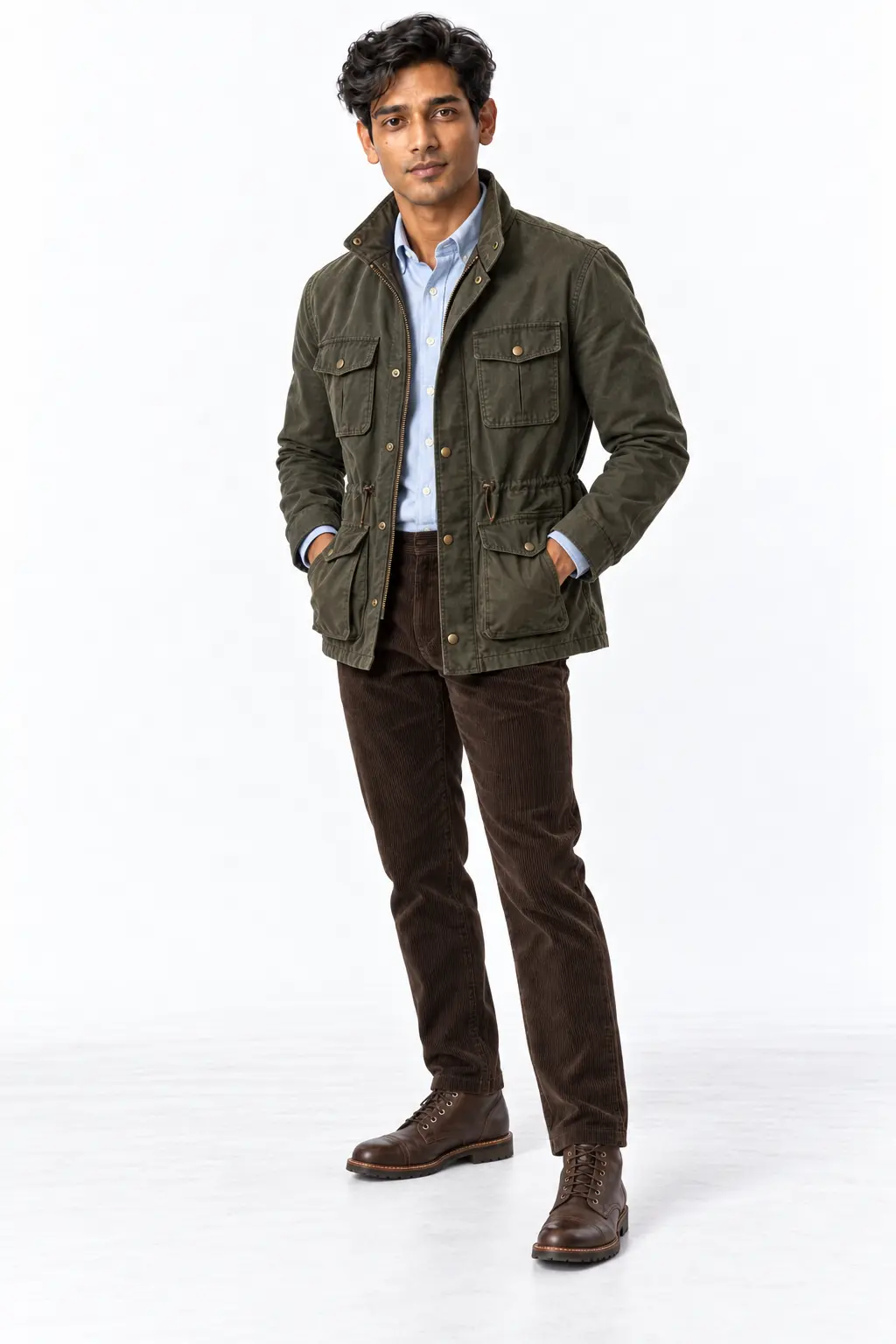
A moss field jacket gives a fall outfit useful structure and storage, while a pale-blue Oxford shirt keeps the face area bright. Espresso corduroy trousers echo the jacket’s rugged character without turning the outfit into a costume. Brown service boots complete the practical direction and visually ground the heavier fabrics.
The key is proportion. A field jacket should cover the waistband and end around the upper thigh, allowing the trouser line to remain visible. Choose one with functional pockets and a clean front rather than excessive straps or decorative hardware. Fine- or medium-wale corduroy is easier to dress up than very wide wale, and the dark-brown colour connects naturally to the boots.
This is a strong weekend, countryside, commute or casual-Friday combination. For cold weather, add a fine merino crewneck over the Oxford shirt. For milder autumns, wear the shirt open over a cotton T-shirt and leave the jacket unfastened. A canvas or leather crossbody bag can be useful, but keep accessories minimal because the field jacket already has visual detail.
4. Tobacco Suede Bomber With Ecru Denim
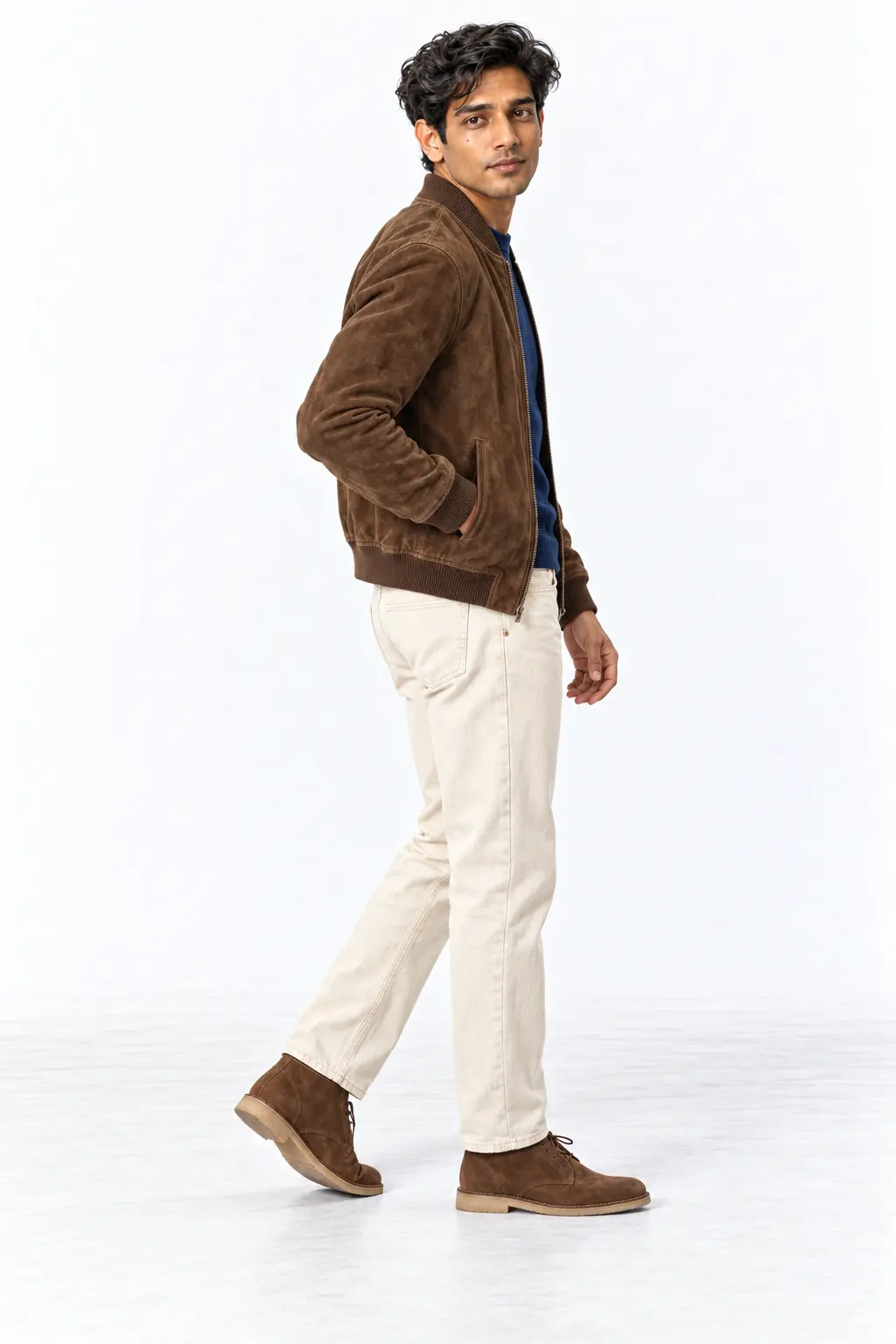
Gallery image: mens-tobacco-suede-bomber-outfit.webp
The cropped shape of a suede bomber contrasts well with straight ecru denim. A petrol-blue merino crewneck adds a cooler note between the tobacco jacket and light jeans, while brown chukka boots repeat the jacket family without matching it exactly. The result feels seasonal and considered, but still easy to wear.
Suede has visual weight, so the layers underneath should remain relatively fine. Look for a bomber with a tidy ribbed hem, functional zip and enough room to close over the knit without pulling. Straight jeans balance the shorter jacket better than extremely skinny denim, and an off-white or ecru wash feels softer than optic white in fall light.
This outfit suits a date, dinner, weekend city plans or a casual event. In dry, cool climates, it can work through much of the season. If rain is likely, choose a weather-resistant alternative because untreated suede needs protection. For extra warmth, add a scarf in deep navy or muted olive rather than introducing another brown.
5. Brick Shawl Cardigan With Tailored Trousers
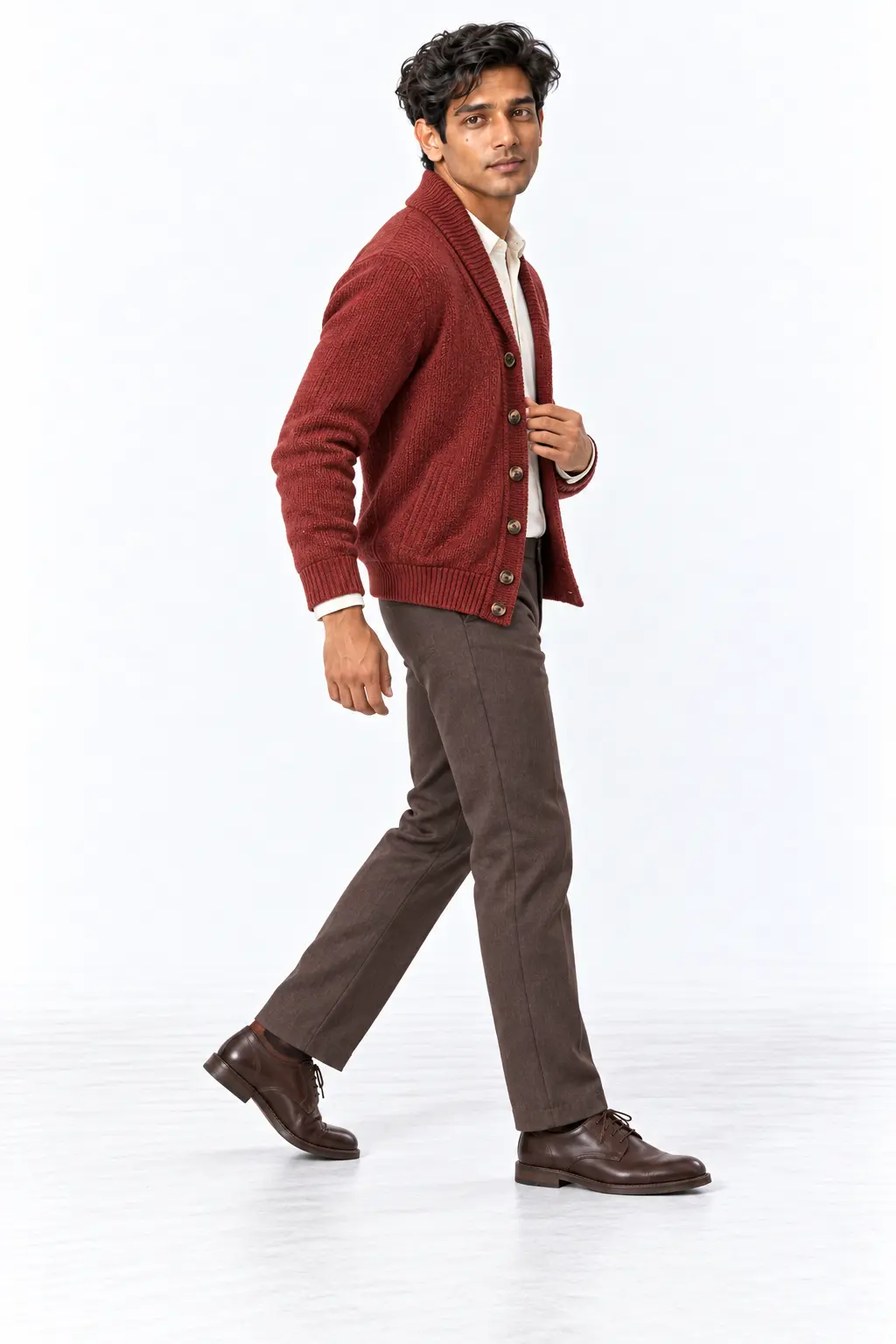
Gallery image: mens-brick-cardigan-fall-layering.webp
A brick-red shawl-collar cardigan brings colour and texture to a simple ivory Oxford shirt. Slate-brown tailored trousers sharpen the relaxed knit, while chocolate derbies make the outfit suitable for settings beyond the weekend. The cardigan acts as a soft jacket, giving the upper body shape without the formality of structured tailoring.
Fit is especially important with a substantial cardigan. The shoulder should not collapse far down the arm, and the hem should sit near the hip rather than extending like a coat. Button one or two middle buttons if you want more structure, or leave it open to create a vertical line. The Oxford collar should sit neatly inside the shawl collar.
Wear this for a casual office, dinner at home, a bookstore visit or relaxed holiday gathering. Add a lightweight coat over it in colder regions, making sure the coat has enough room in the sleeves. In warmer markets, substitute a lighter cotton-wool cardigan and open the shirt collar. A brown belt can connect the trousers and shoes, but it should remain understated.
How to Layer Without Looking Bulky
Start close to the body and increase volume gradually. A fitted T-shirt, henley or fine shirt should sit beneath a knit or overshirt, followed by the roomiest outer layer. If a middle layer bunches at the waist or sleeves, the issue is usually incompatible sizing rather than the number of pieces.
Use these practical checks:
Move your arms forward and overhead before leaving home. The outfit should not pull sharply across the upper back.
Keep only one visibly bulky item. Pair a heavy cardigan with a normal shirt, not another chunky knit.
Let each layer show with purpose. A small amount of collar, cuff or hem creates depth; several long, uneven hems look accidental.
Match fabric weight to footwear. Substantial jackets and corduroy look balanced with loafers, derbies or boots, while lighter overshirts can work with streamlined sneakers.
Avoid overfilling pockets. A clean drape matters, especially with overshirts, field jackets and tailored trousers.
Adjusting These Outfits for Different Climates
Fall means different temperatures across the US, UK, Canada and Australia. The layering principle stays the same, but the fabric weights should change.
In a mild climate, use cotton twill, lightweight merino, unlined tailoring and breathable base layers. Keep the jacket removable and choose loafers or sneakers. In a cool, wet climate, prioritise a protective outer layer, wool-blend trousers and leather footwear with grip. Add an umbrella or compact shell rather than expecting a suede or knit layer to handle rain.
For colder Canadian or northern-US conditions, treat these looks as early-fall foundations. Add a warm topcoat, insulated field jacket or weatherproof parka when temperatures fall. In much of Australia, the same combinations may work best with lighter knits, cotton trousers and unlined jackets, especially during transitional months.
Common Fall Layering Mistakes
The first mistake is buying every layer in the same fit. Three relaxed pieces can overwhelm the frame, while several slim layers restrict movement. Mix a neat base with a comfortable mid-layer and an outer layer that closes easily.
The second is using too many competing colours. Choose one focal colour—teal, moss, petrol or brick—and let two or three quieter tones support it. The third is ignoring indoor comfort. If removing the jacket leaves an incomplete outfit, reconsider the base and middle layers.
Finally, do not overlook footwear. Shoes should match the practical needs of the day and the weight of the clothes. A field jacket and corduroy trousers need more visual support than a delicate minimalist sneaker can provide; an overshirt and chinos rarely require a heavy work boot.
Gallery
Frequently Asked Questions
How many layers should a men’s fall outfit have?+
What is the best first layer for fall?+
Can an overshirt replace a jacket?+
How do I combine fall colours without clashing?+
Which shoes work best with smart-casual fall outfits?+
Build a Layering System You Will Actually Wear+
Related Posts
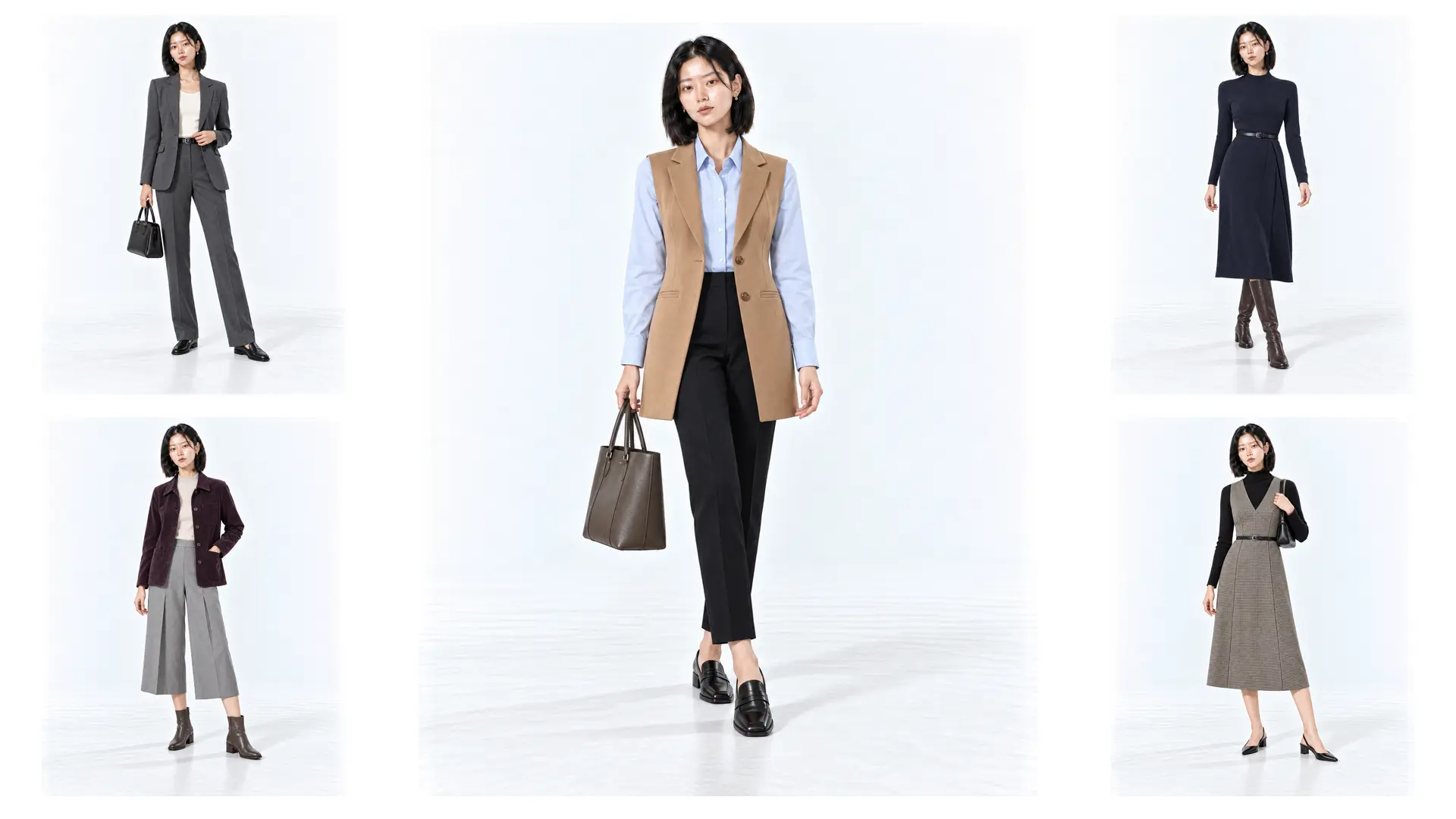
Fall Work Capsule Wardrobe: 5 Polished Office Outfit Formulas
Five polished fall work outfits built from adaptable tailoring, knitwear and layers you can rewear across changing temperatures and office dress codes.
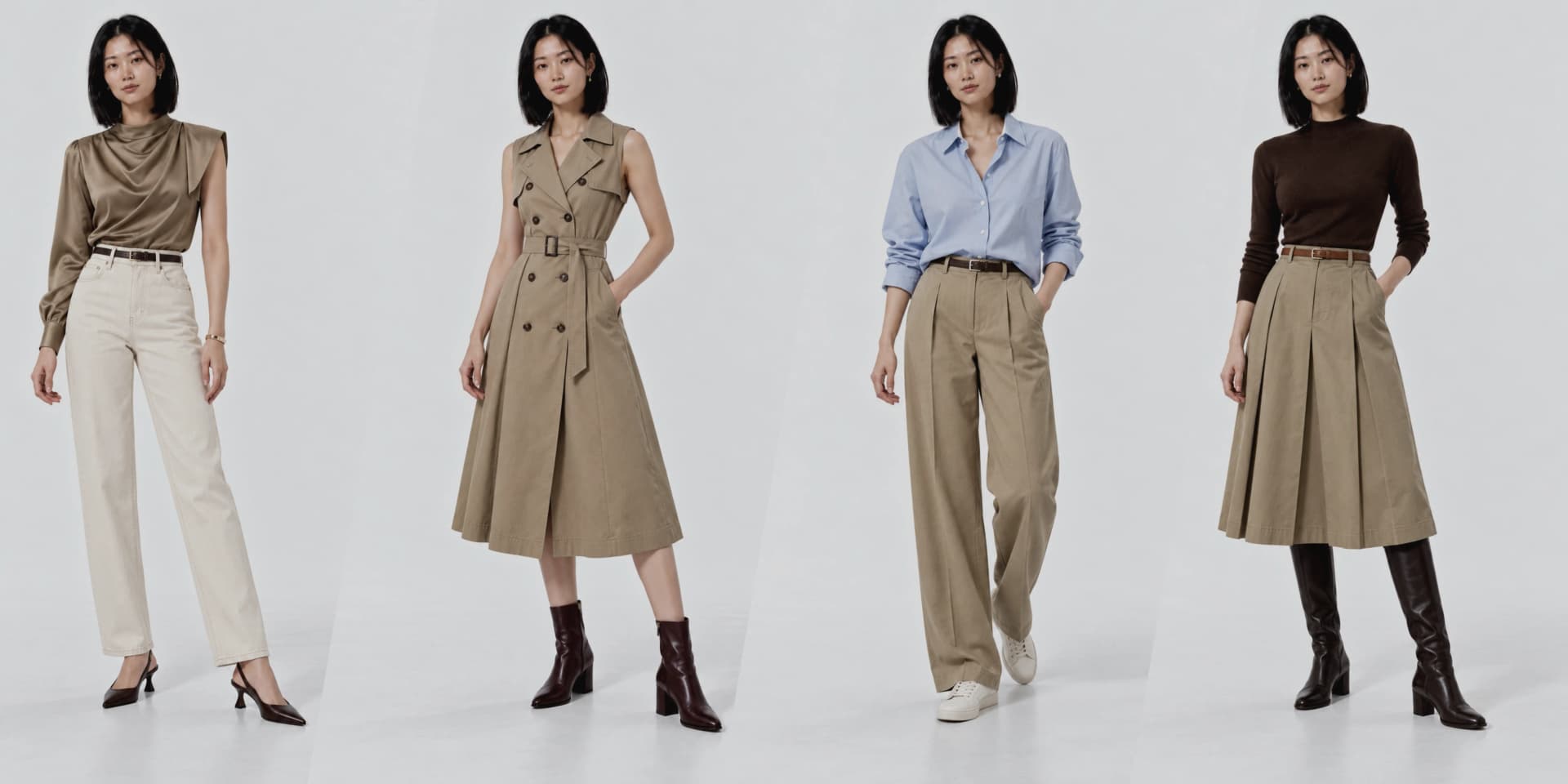
5 Quiet Luxury Autumn Outfits That Feel Polished and Practical
Use five practical quiet luxury autumn formulas with clear advice on proportion, layers, footwear, color and seasonal adaptation.